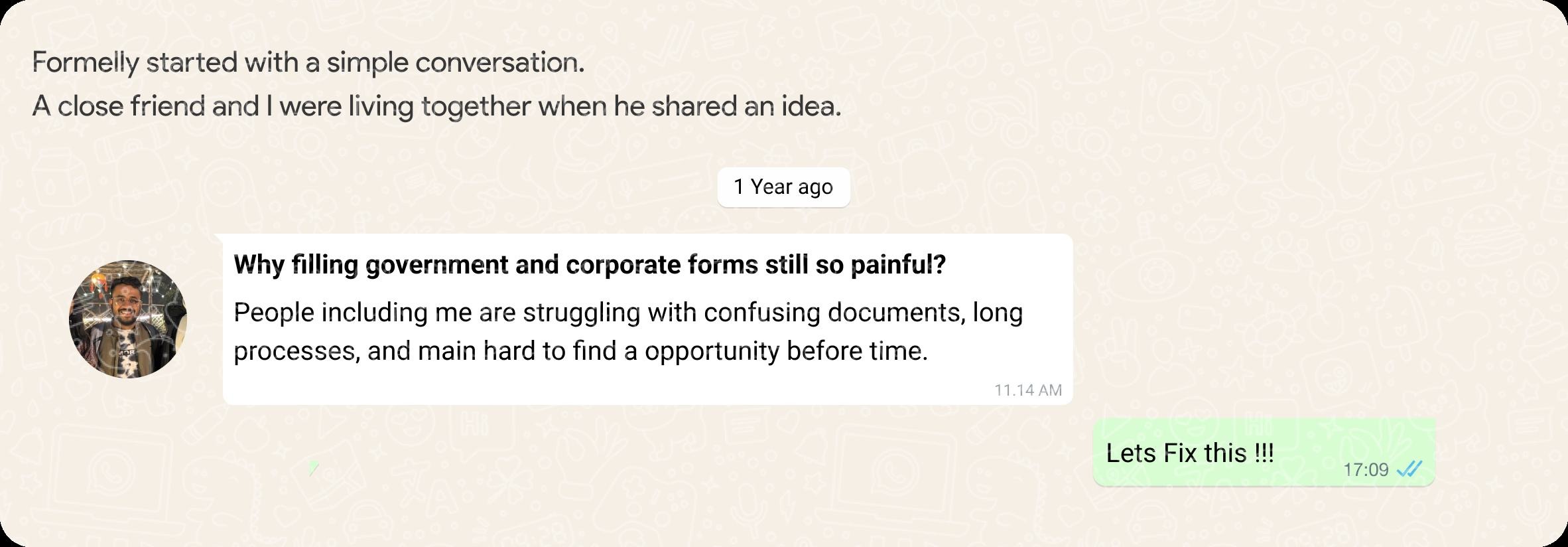
The idea instantly clicked!!!
What if someone could simply upload their documents, pay once, and let professionals/Agents handle the entire process?
Like every excited founder, we wanted to move fast so
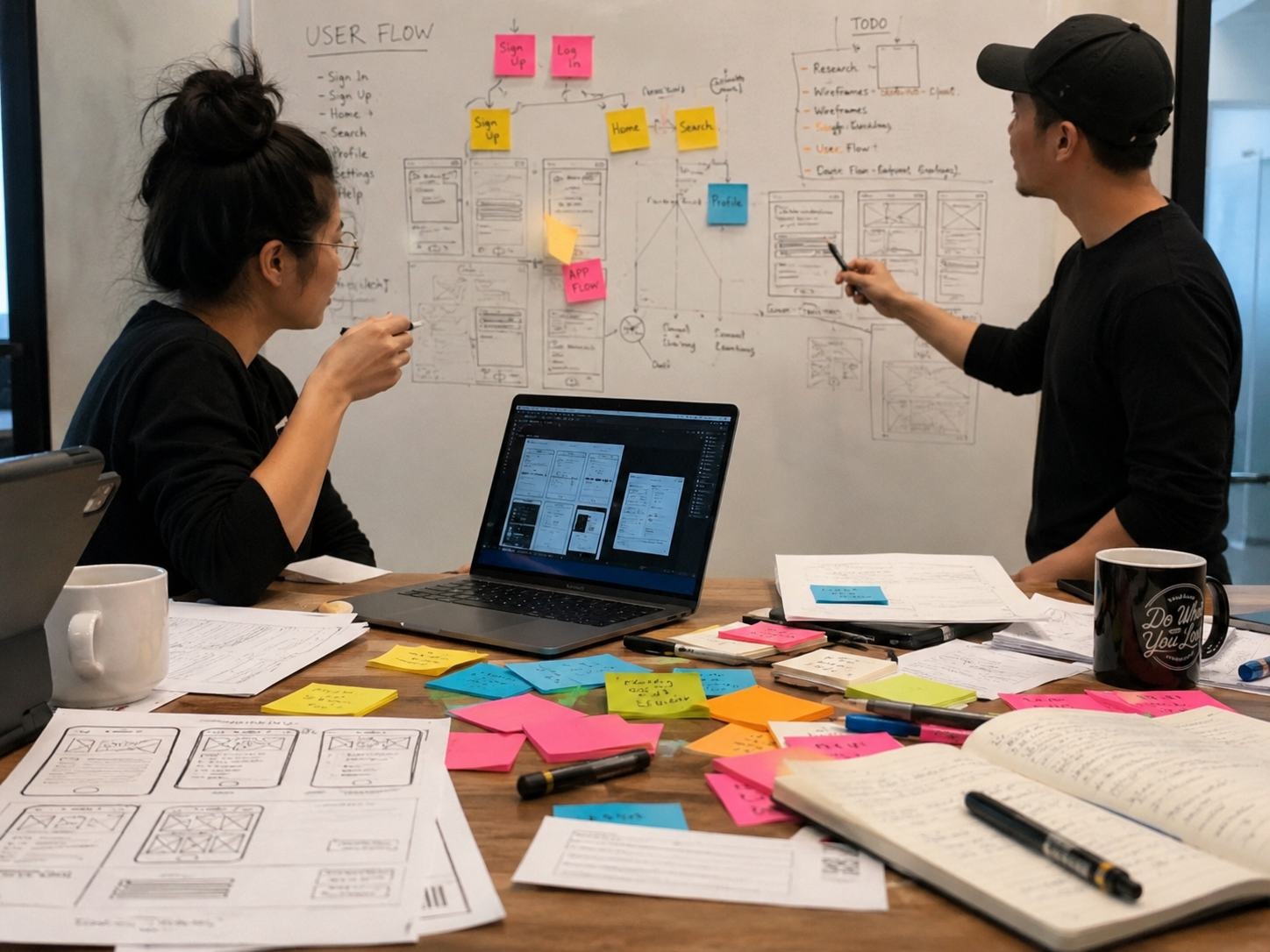
- ✔We spent nights sketching ideas on whiteboards, discussing workflows over dinner, and turning random thoughts into wireframes.
- ✔Listing every possible feature.
- ✔Instead of planning for months, we decided to build the MVP first and learn from real users.
- ✔The goal was simple. Build fast. Learn faster. So that's exactly what we did.
Building Fast Felt Right... until it didn't.
During the first few weeks, everything felt simple.
Need multiple Opportunity/Form category? We added it✔
Need document sharing flow? Added✔
Need Agents for Form filling? Hired✔
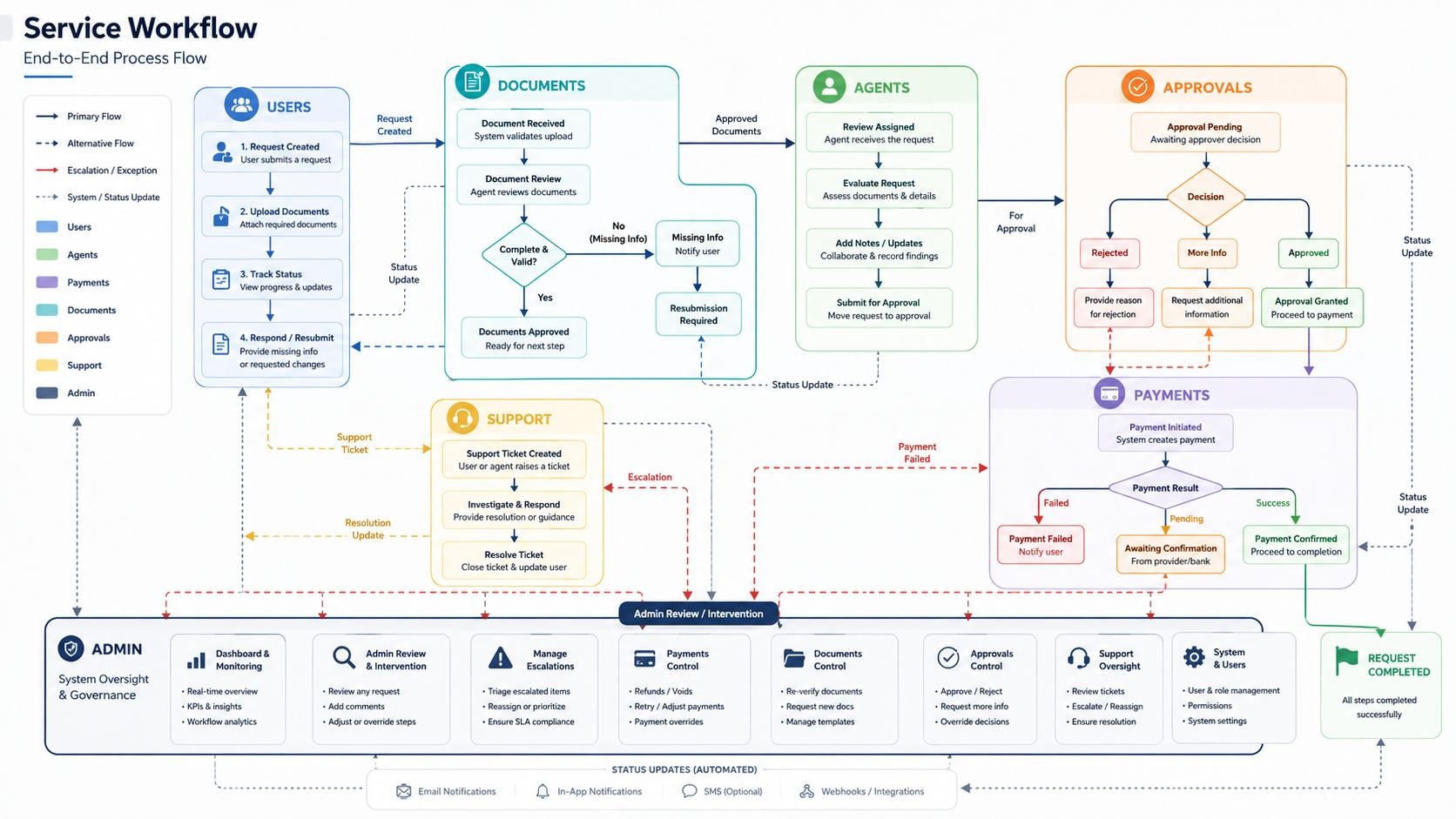
But, I realized something uncomfortable. We weren't building a booking app, we were building an operational platform. Every request included multiple moving pieces.
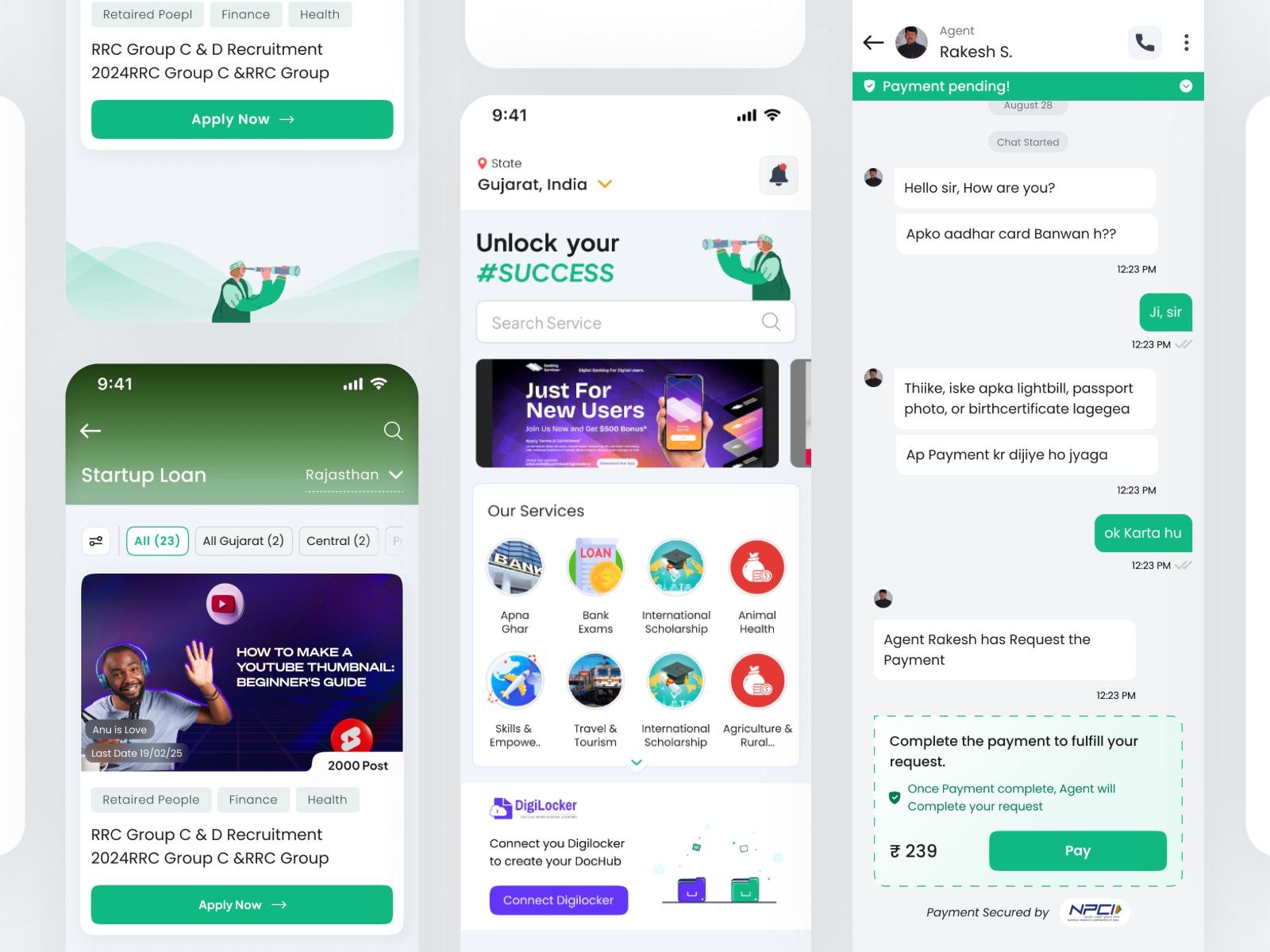
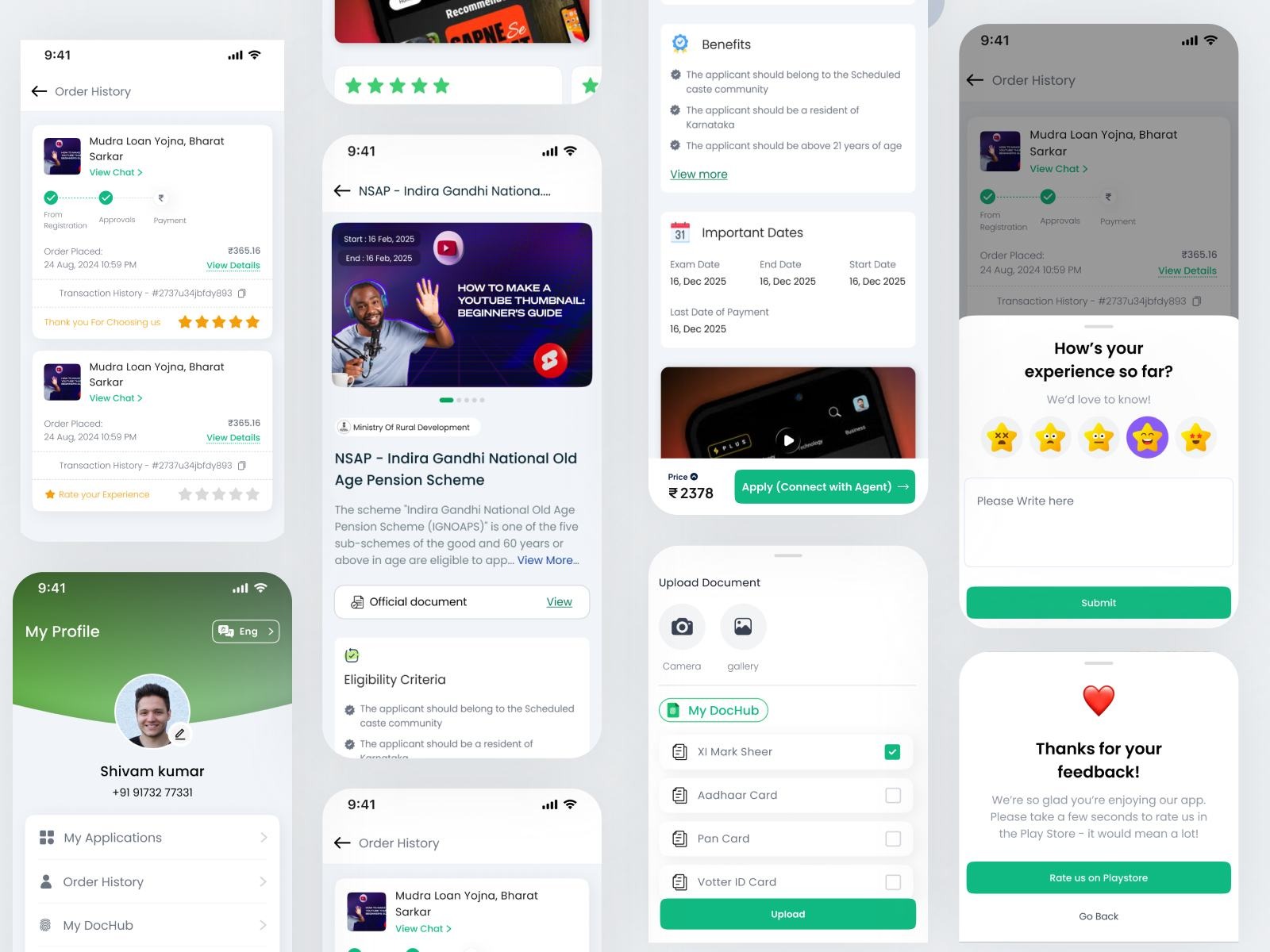
Users, Human agents, Government documents, Payments, Status tracking, Rejections, Resubmissions, Customer support, Escalations, Admin operations
- Each new form introduced another exception.
- Each exception created another custom flow.
- Each custom flow added another layer of complexity.
- Nothing was breaking visually.
But underneath... the system was slowly becoming harder to manage.
The Moment Everything Clicked
About three months into the project, I stopped looking at individual screens. Instead, I looked at the product as one connected system, and I realized something. If Formelly ever grew 5x... the interface wouldn't be the problem, the architecture would.
- I wasn't facing a UI problem.
- I was facing a system problem.
- That completely changed how I approached design.
Hitting Reset
Instead of adding more features, I paused.
Not because the UI was bad.
Because the foundation wasn't ready for scale.
I mapped the complete ecosystem from start to finish.
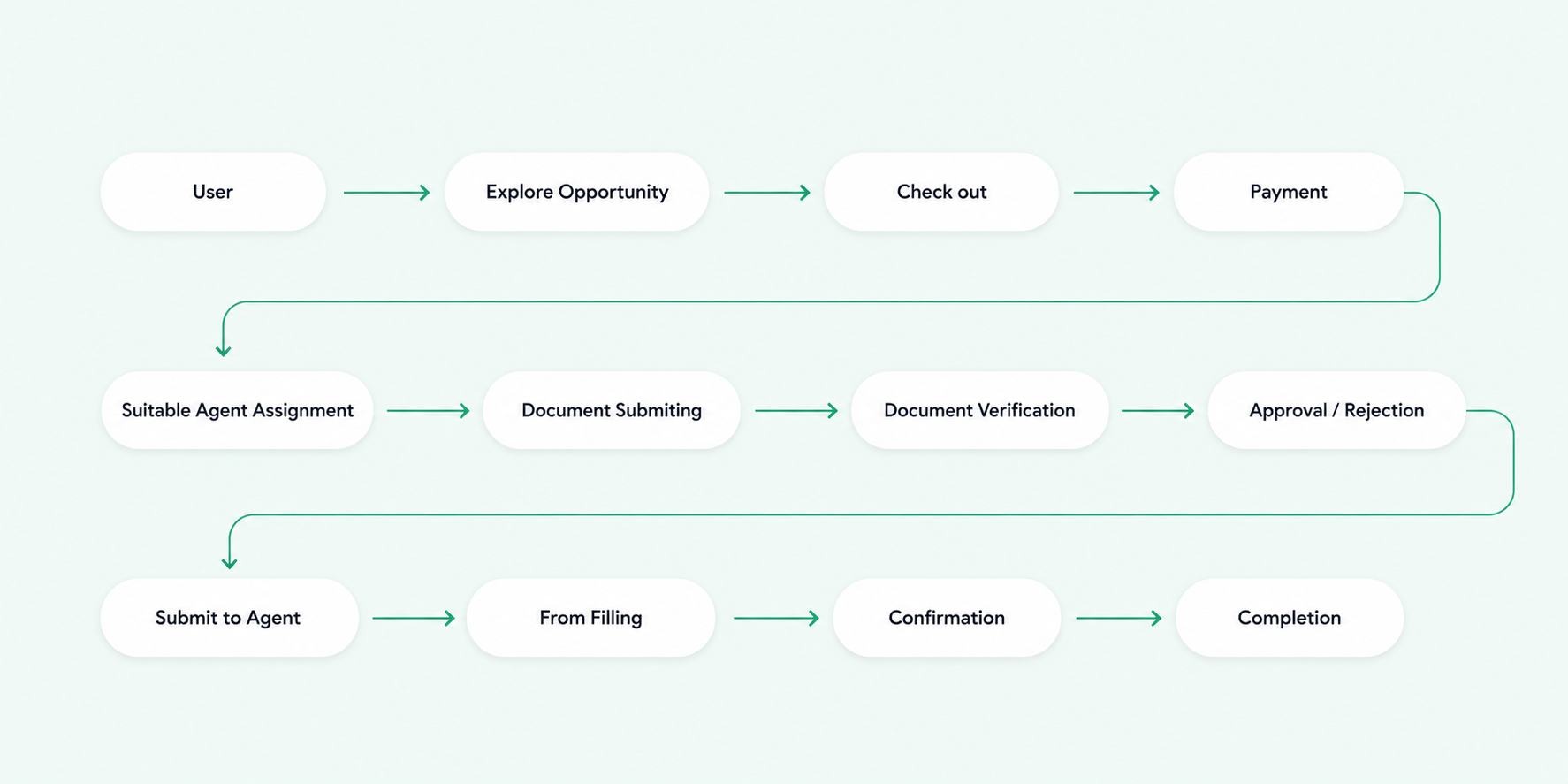
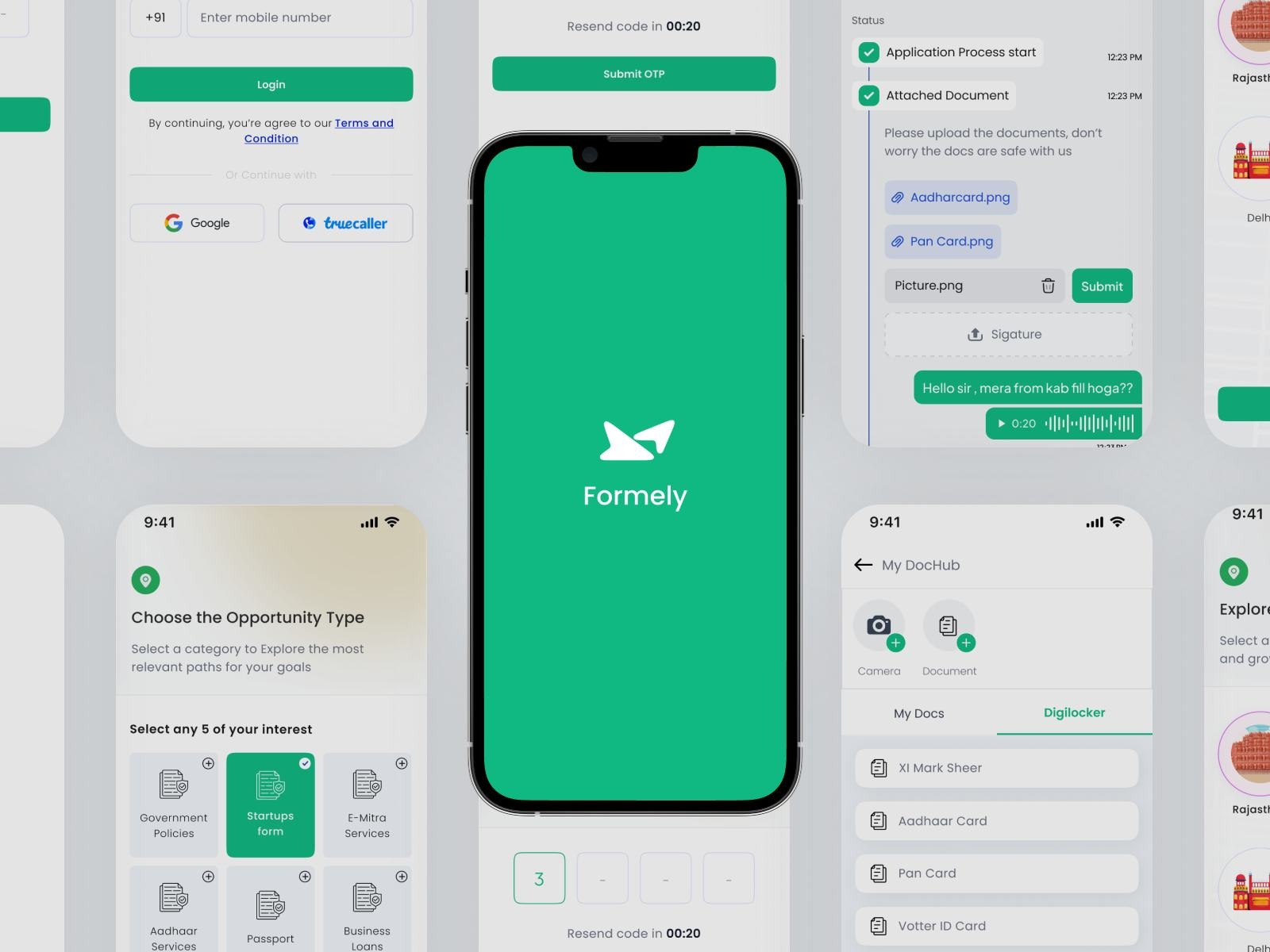
Once the workflow was clear, I stopped designing screens independently. Everything started from the smallest reusable building blocks.
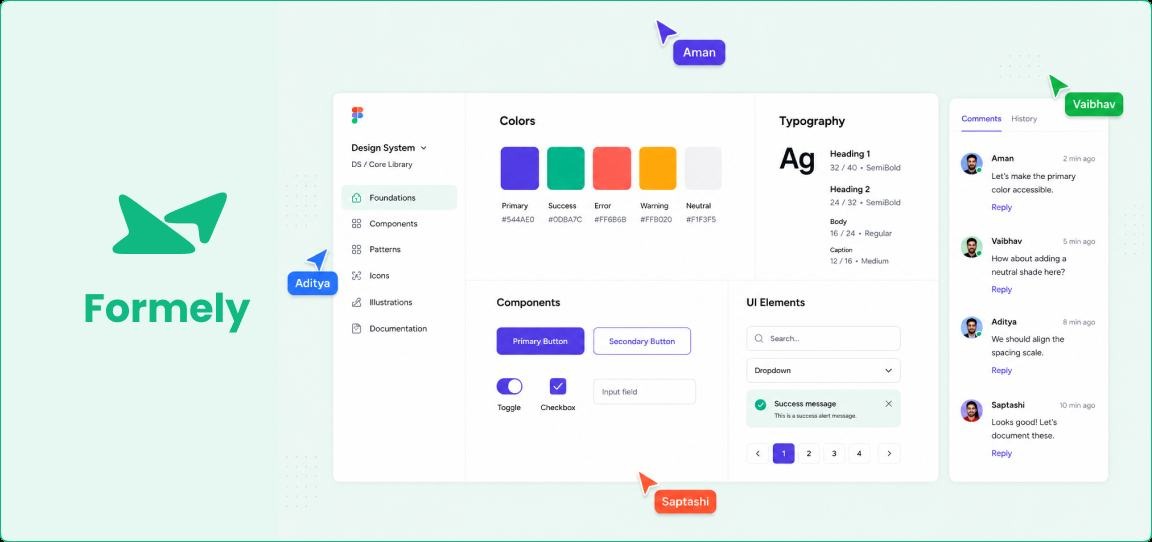
So it time to Build an Atomic Design System
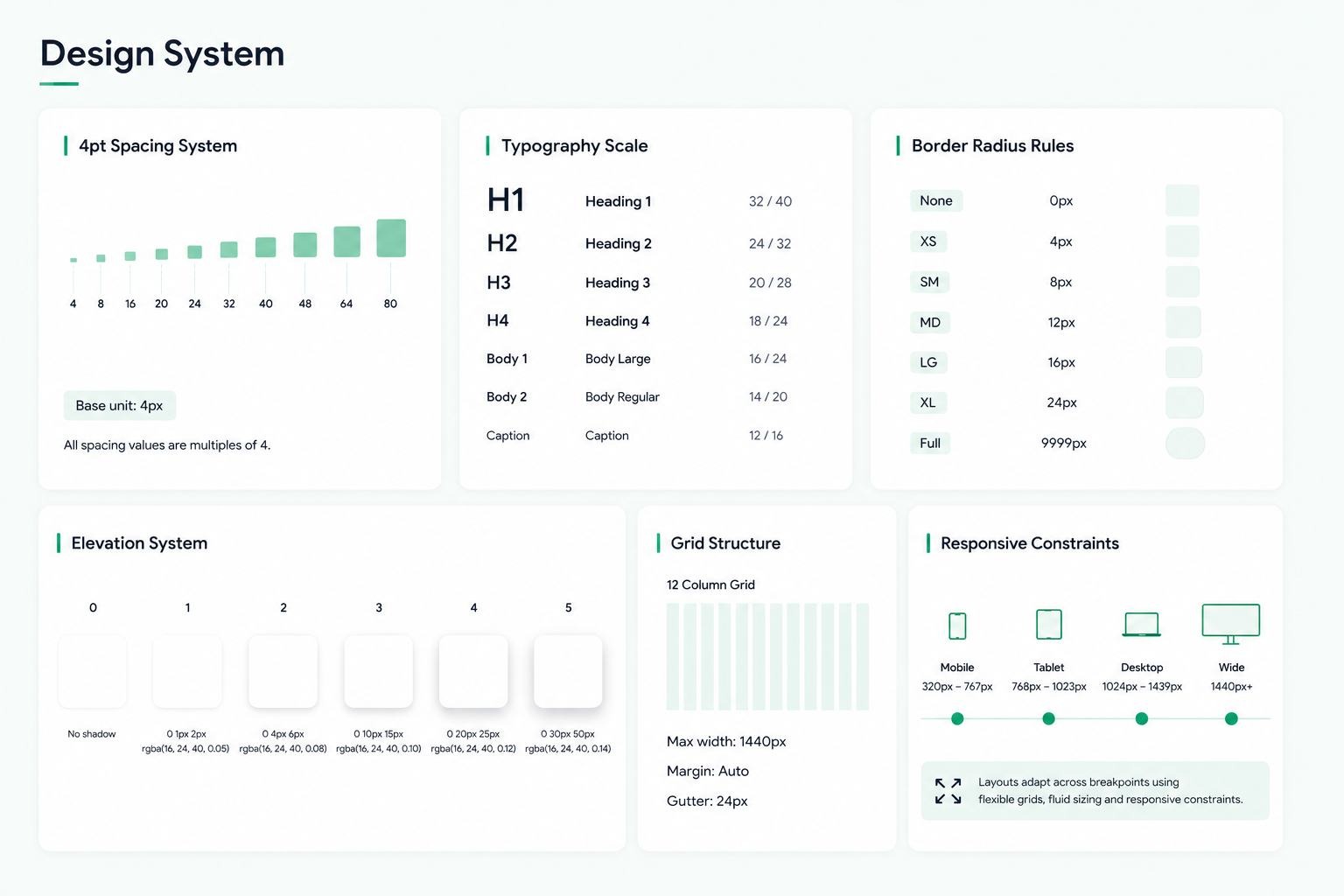
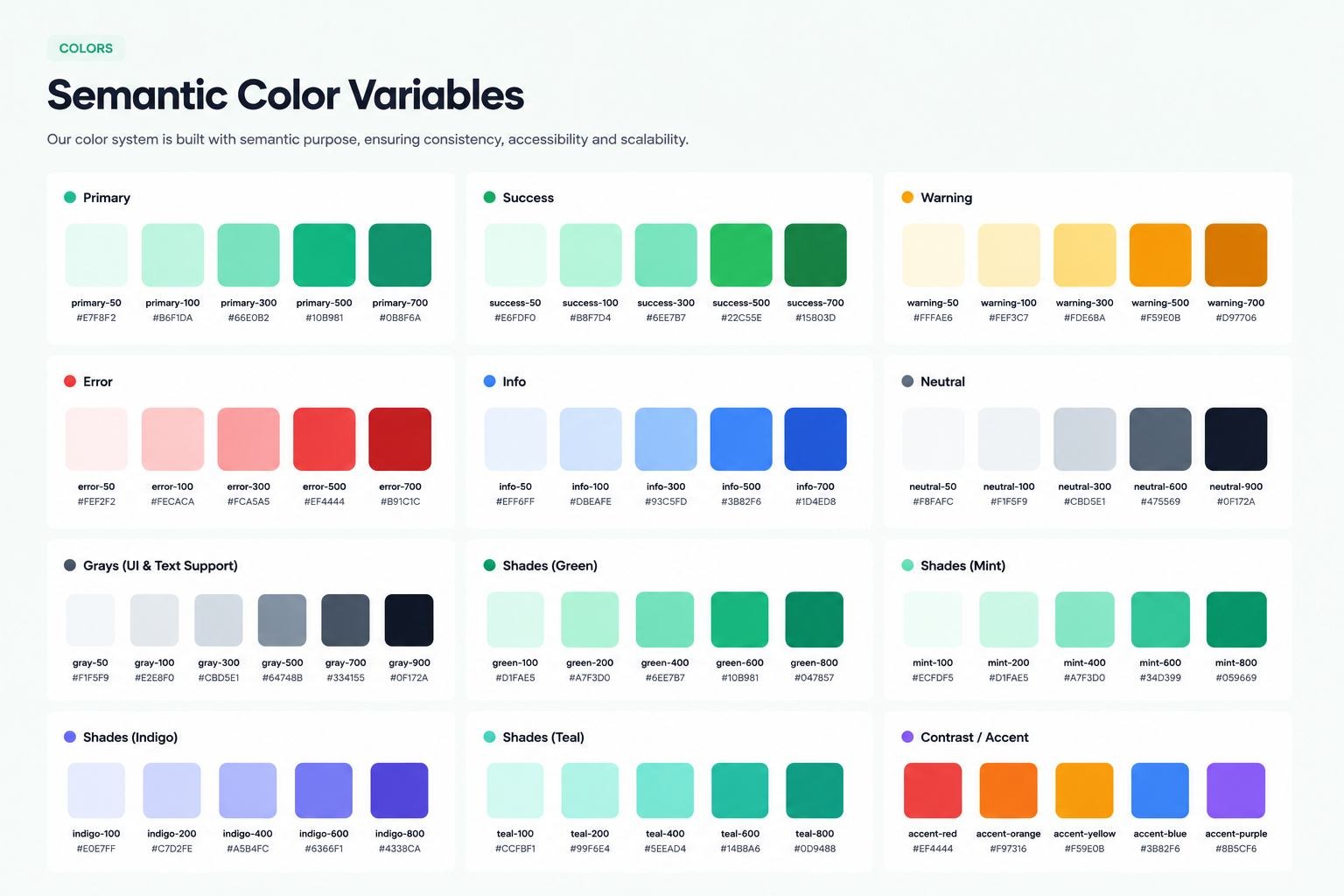
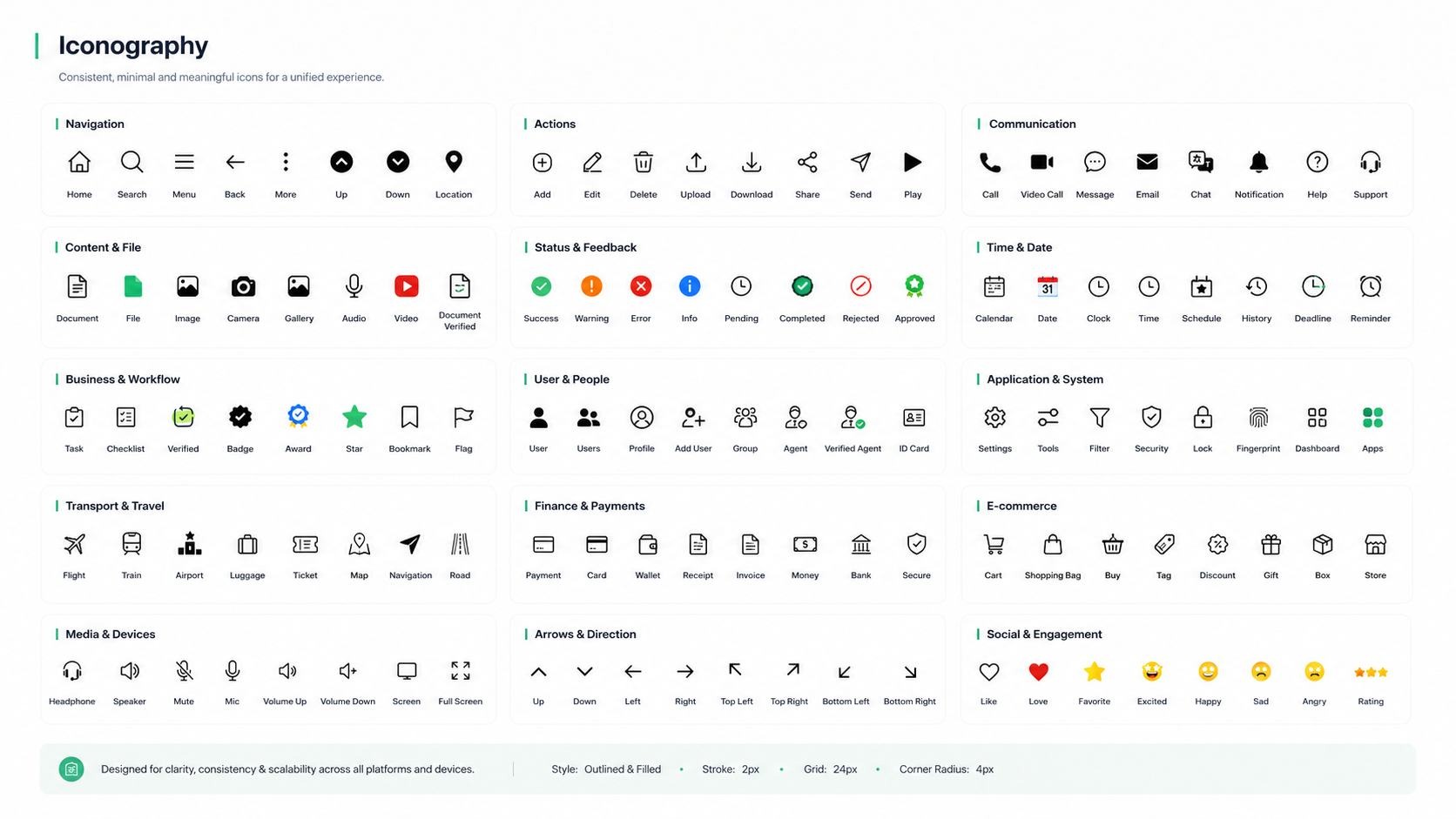
Level 1 — Foundations
Before touching components, I standardized the basics. Instead of random decisions, everything followed rules. I created:
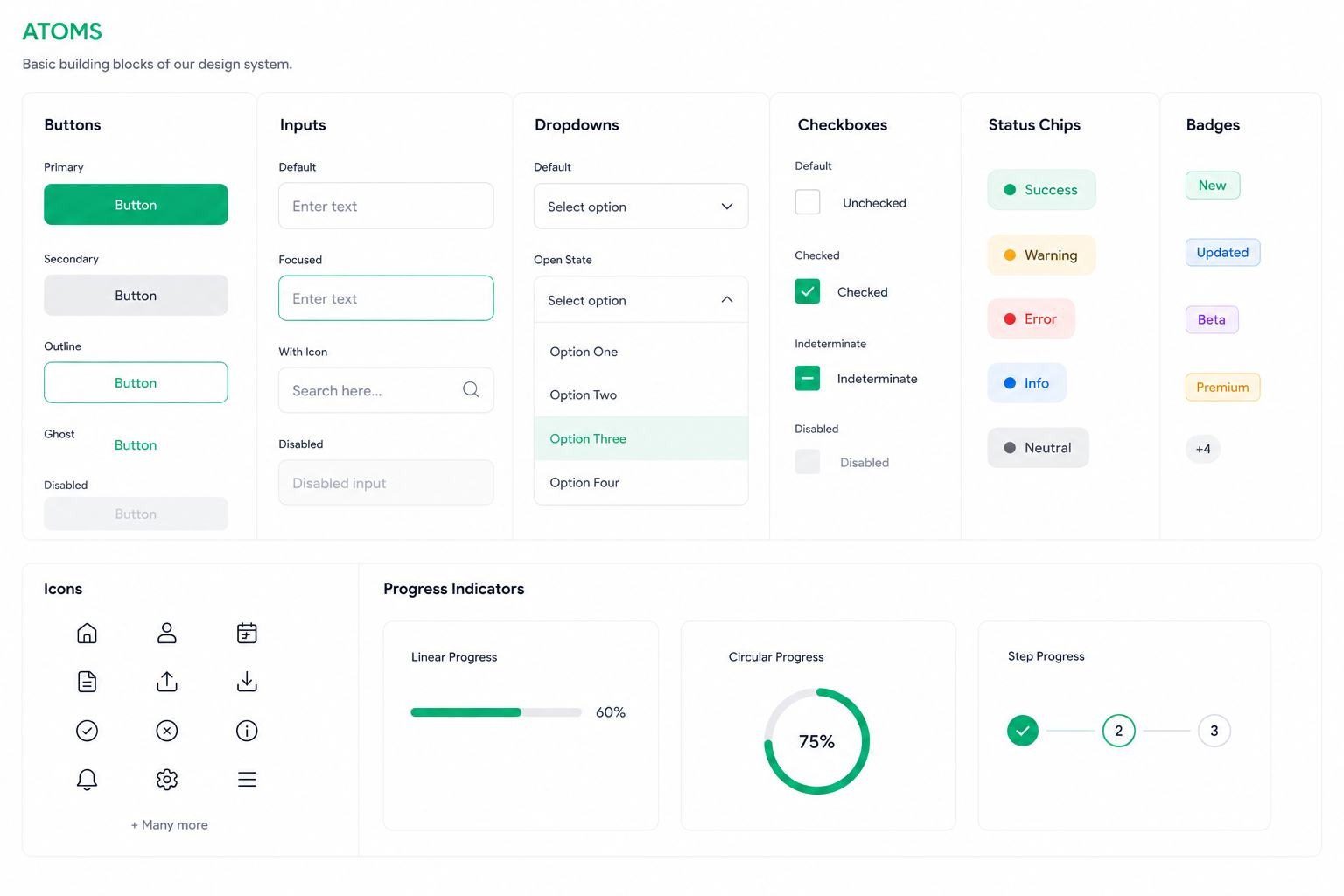
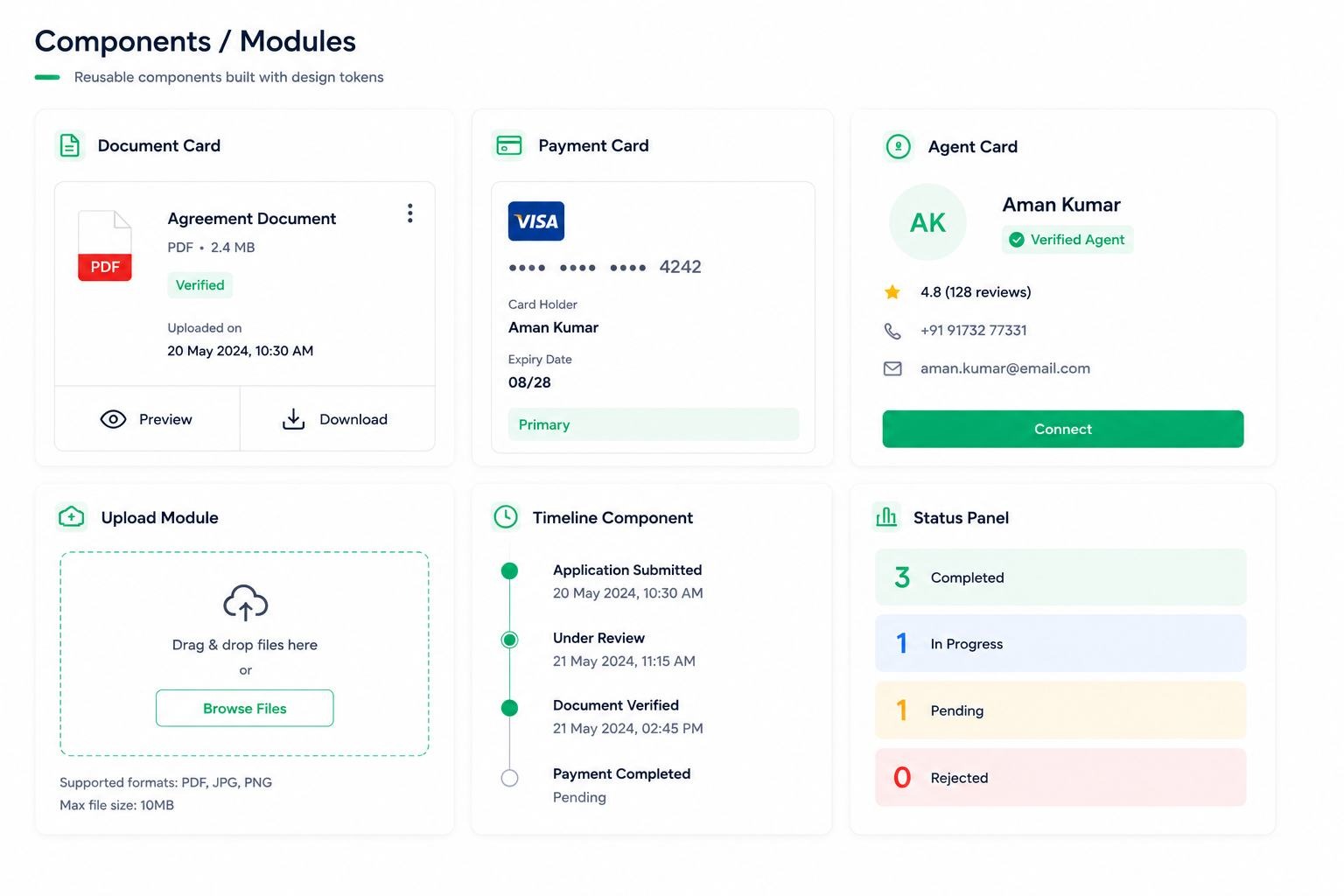
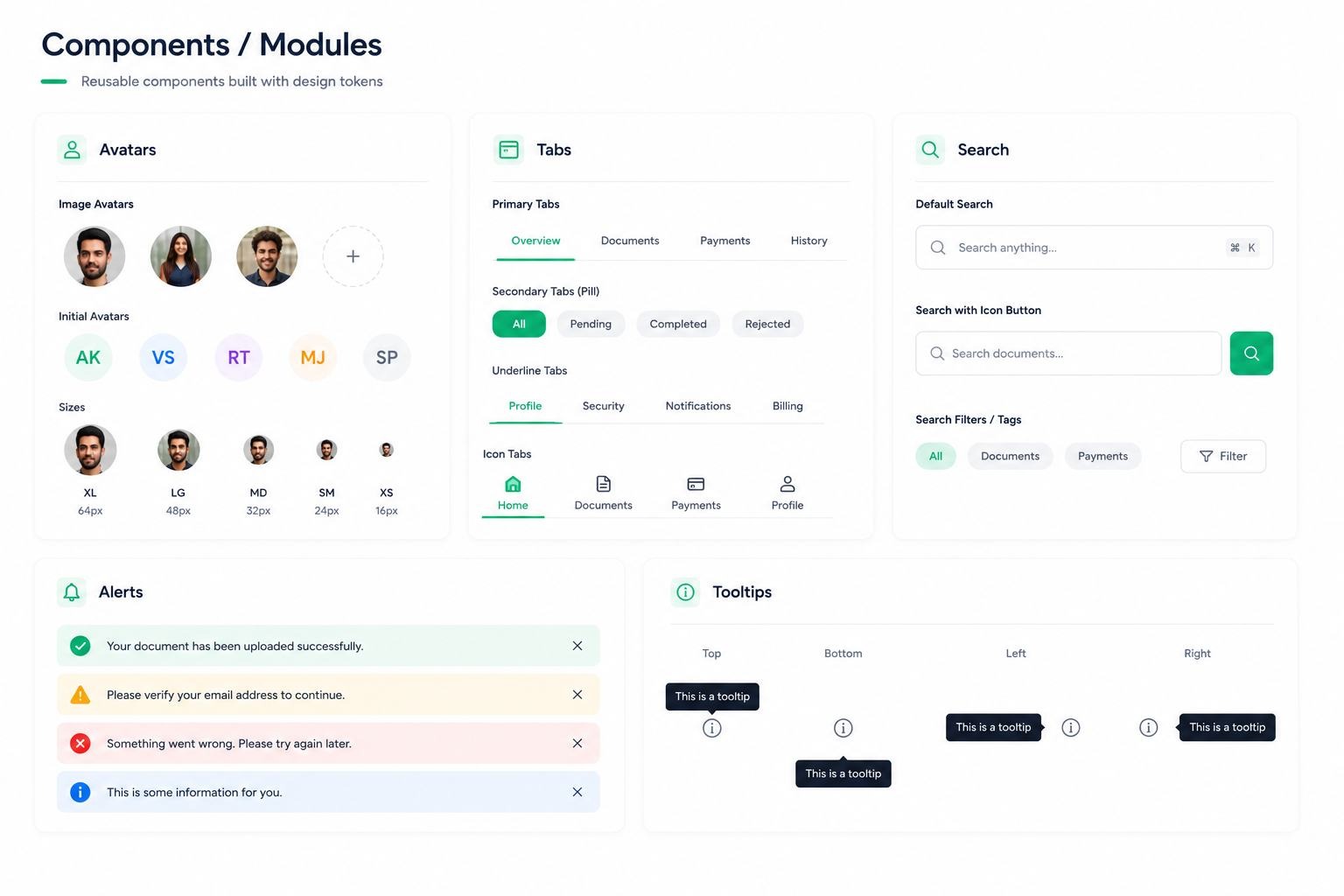
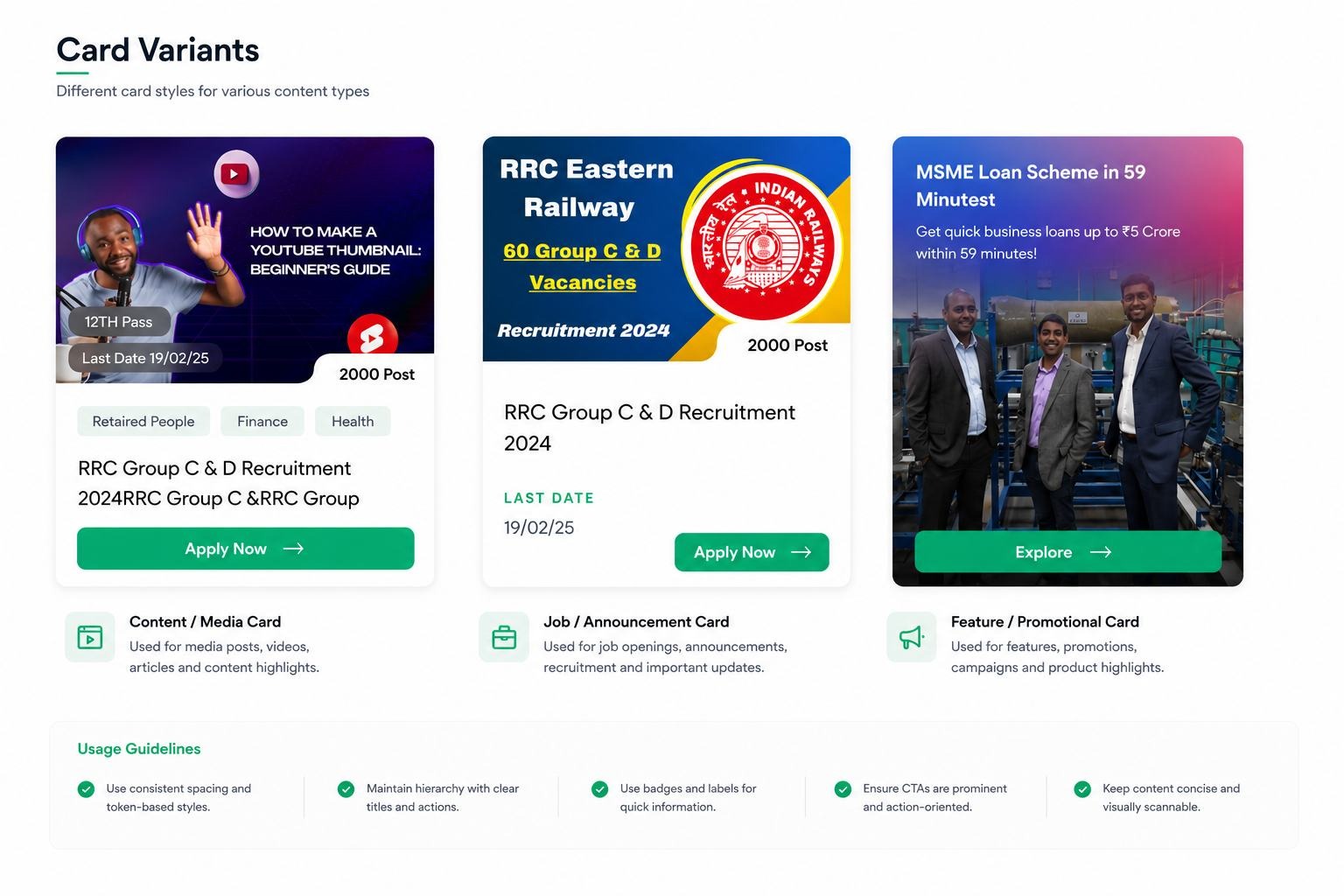
Level 2— Atomic Components
Once the foundations were stable, every UI element became reusable.
Level 3 — Designing the Product Around States
Final Reflection
Formelly began as two friends trying to solve a frustrating problem.
What I expected to be another side project became the project that completely changed how I think about product design. It taught me that scalability isn't something you add later, It's something you design from day one.
The biggest transformation wasn't the interface, It was my mindset. Today, I don't just design products that launch. I design products that are built to grow.